
Wastewater treatment systems
From engineering to delivery
DPL Polymer offers treatment plants for industrial and domestic wastewater.
What the company does:
- Engineering and development of wastewater treatment solutions.
- Complete equipment supply for treatment plants.
- Audits of existing treatment plants.
- Automation and remote monitoring.
- Dewatering of flotation sludge and biological sludge.
- Delivery of containerized treatment plants.
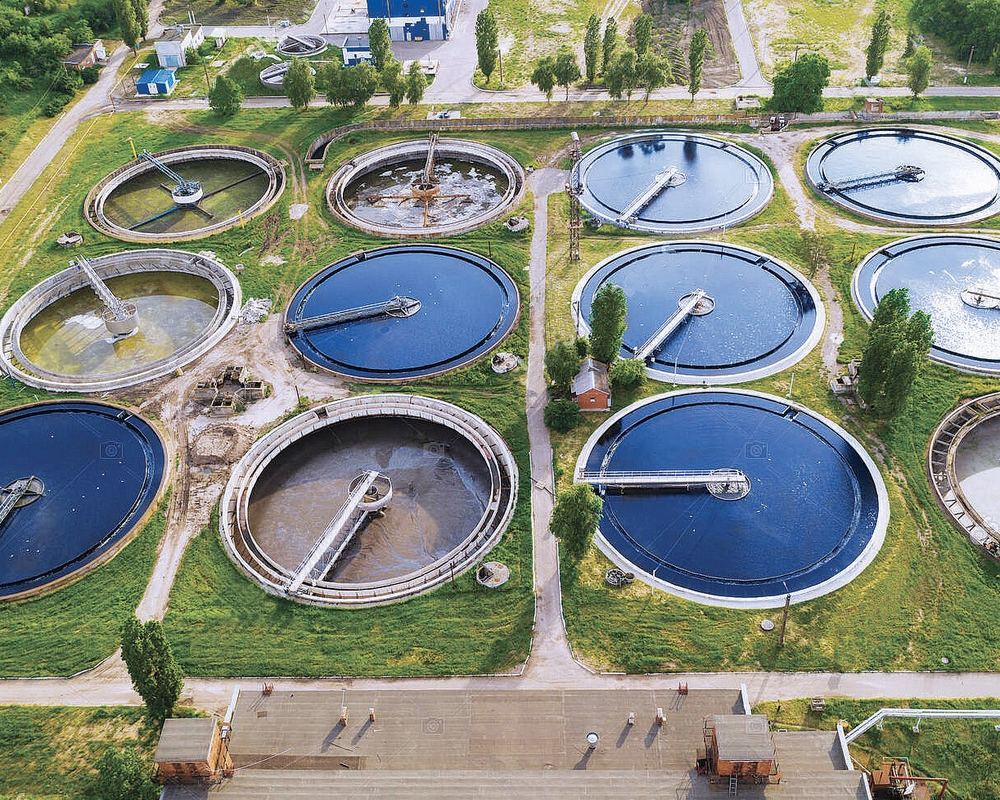
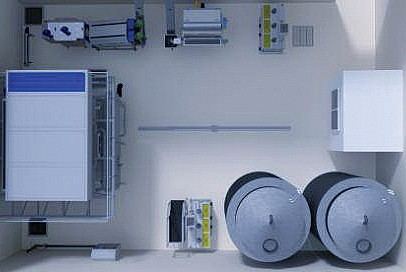
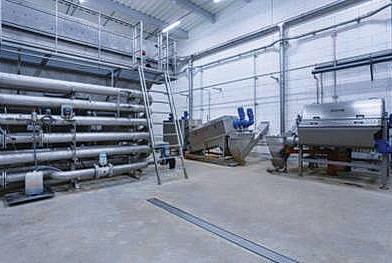
Wastewater treatment processes we deliver:
- Conventional technology.
- SBR (sequencing batch reactor).
- MBR (membrane bioreactor).
Discharge standards under Russian law are met through:
- Reliable equipment.
- A high-quality process design.
- Automation of the process and of plant control.
Professional solutions
- Quality: Very high quality of treated effluent. Guaranteed compliance with wastewater discharge limits in Russia.
- Stability: Reliable, stable and dependable systems. Fail-safe design of the equipment and systems.
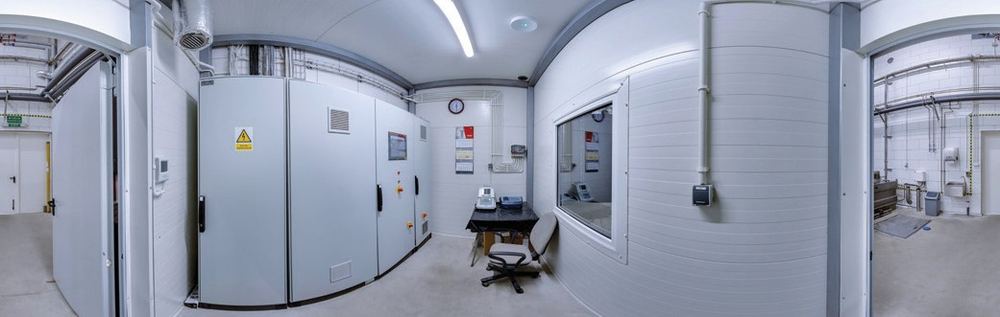
- Automation: Full automation of the process and of plant control. Process visualization.
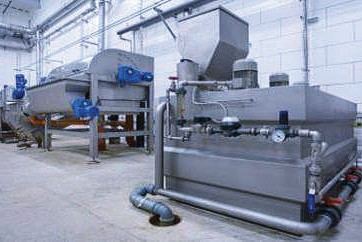
- Compact layout: Less construction work than with conventional technology.
- Monitoring: Automatic collection of operating data and treatment parameters. History archiving.
- Control: Remote monitoring and control of the treatment plant from any device with internet access.
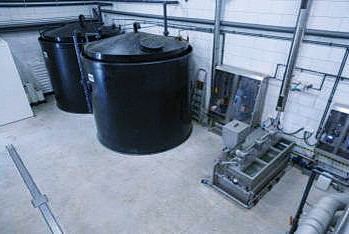
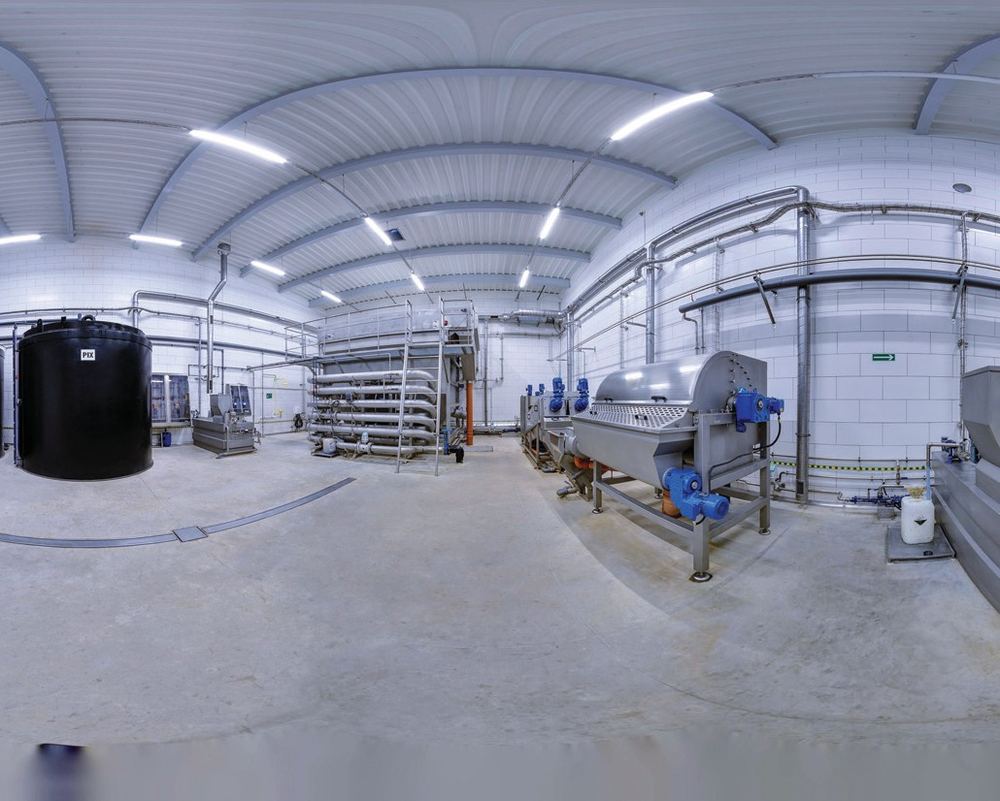
- Modularity: Capacity can later be upgraded and expanded module by module.
- Staffing: Fewer operating staff than with conventional technology.
- Dosing control: Monitoring and automatic control of reagent dosing volumes.
- Flexibility: The plant tolerates changes in incoming flow and load while still meeting discharge limits.
- Lower risk: The effect of human error on plant performance is kept to a minimum.
- Environmental safety: No risk of sludge leakage. No odor. Sealed systems.
Mechanical wastewater treatment
Professional solutions
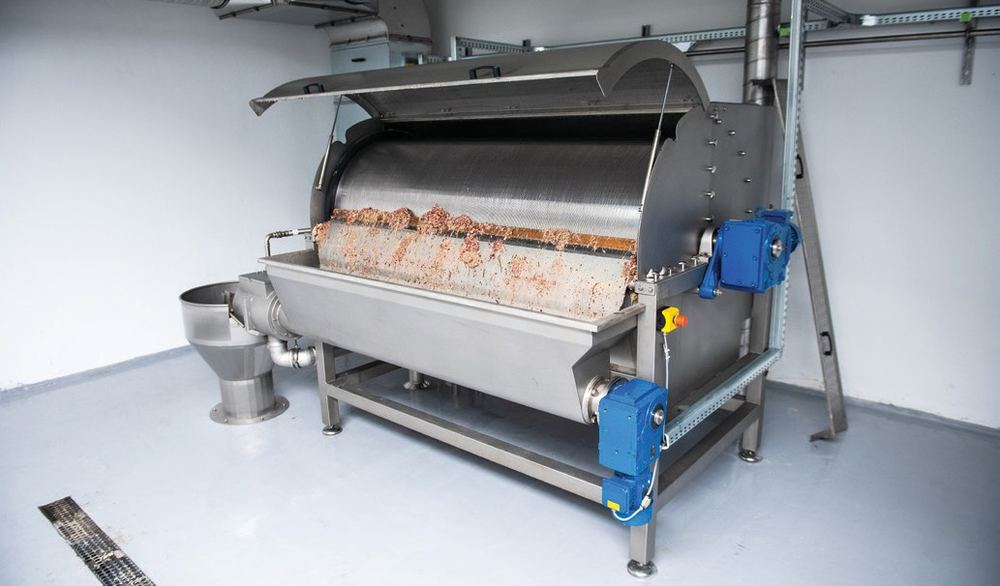
Removes suspended solids larger than 0.5 mm. Made entirely of stainless steel.
The unit includes:
- a reversing rotary drum screen;
- a supporting frame;
- a power and control unit;
- two blades, with scrapers made of phosphor bronze;
- drives for the drum screen and the screen press;
- a screw conveyor for screenings;
- a screenings press.
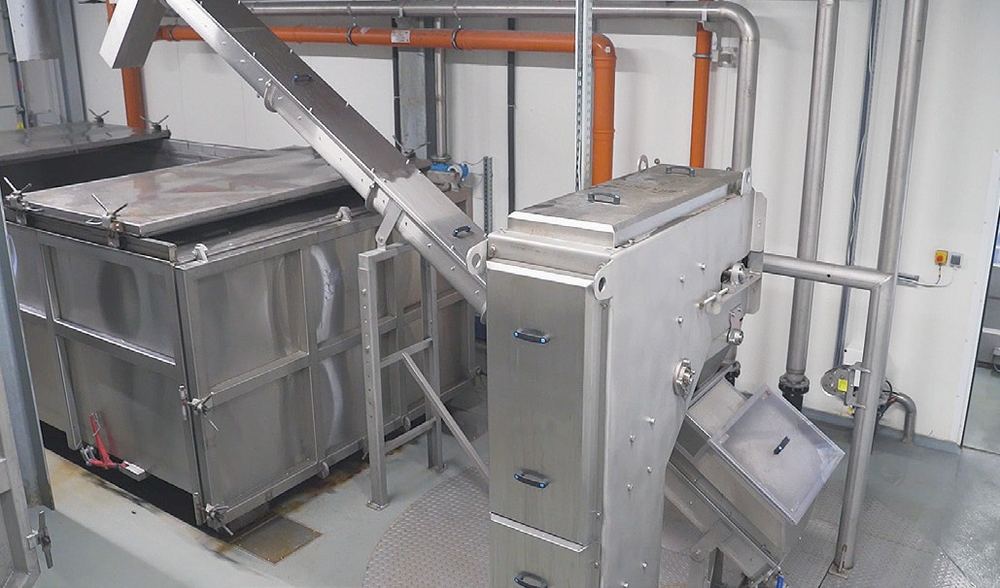
Step screen
Used for primary treatment before wastewater enters the plant. It removes large solids and other debris from the flow.
A driven brush automatically cleans the screen surface. The unit can run automatically according to how much contaminated wastewater enters the screen channel.
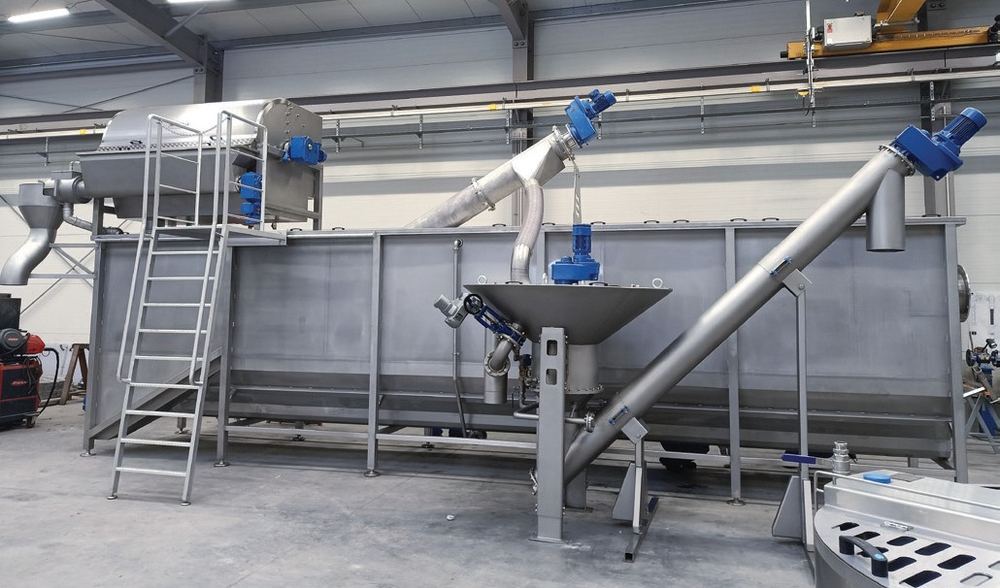
Screen and grit chamber for municipal wastewater
Removes coarse suspended solids and settles sand and other mineral particles. Once the sand loses speed, it falls freely to the bottom. A horizontal spiral scraper moves the collected sand into a separation section, where an inclined conveyor carries it out of the unit. Aeration and sand washing can be added as options.
Further wastewater treatment
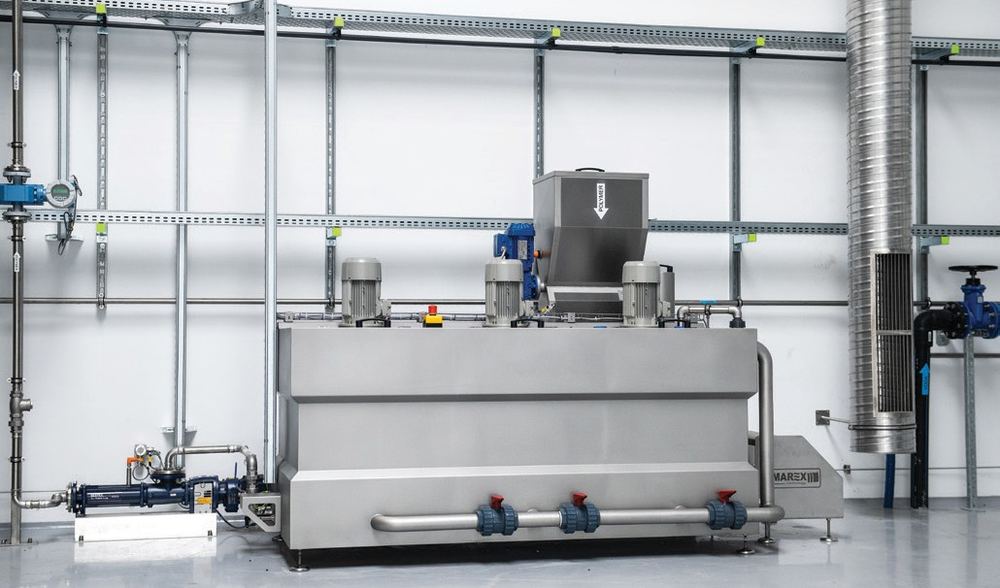
Polymer solution preparation unit
Prepares polymer solution from dry product automatically, in a continuous cycle, and feeds it to the flotation flocculator and to the sludge dewatering press.
Flotation unit
The flotation unit separates impurities from wastewater. Its main purpose is to reduce the chemical load by removing high-COD contaminants, including fats, oils, grease, organic matter and colloidal material.
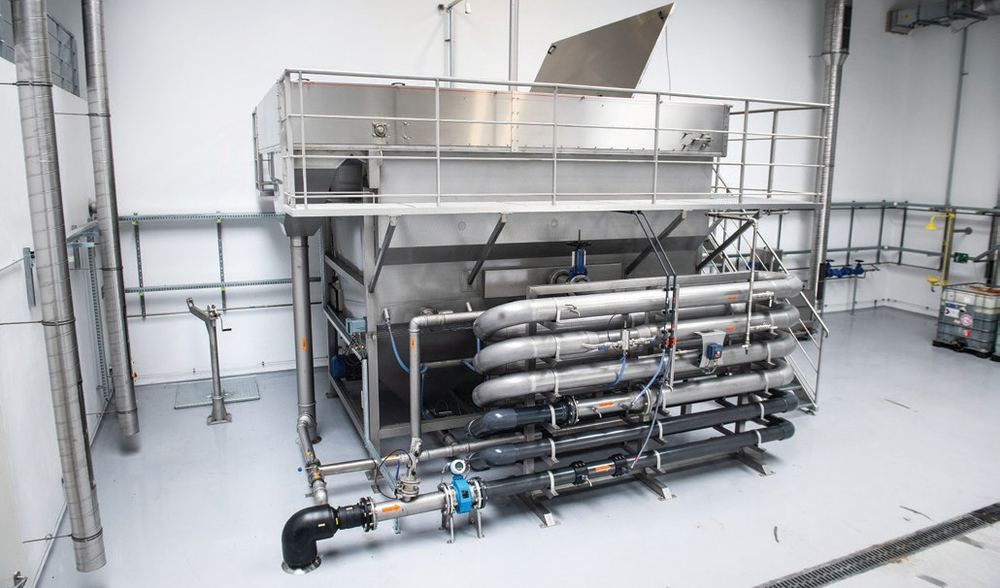
The unit includes a tank, a system for collecting float foam and bottom sludge, and a saturation system. Reagents fed into the flocculator form float foam and bottom sludge in the flotation tank.
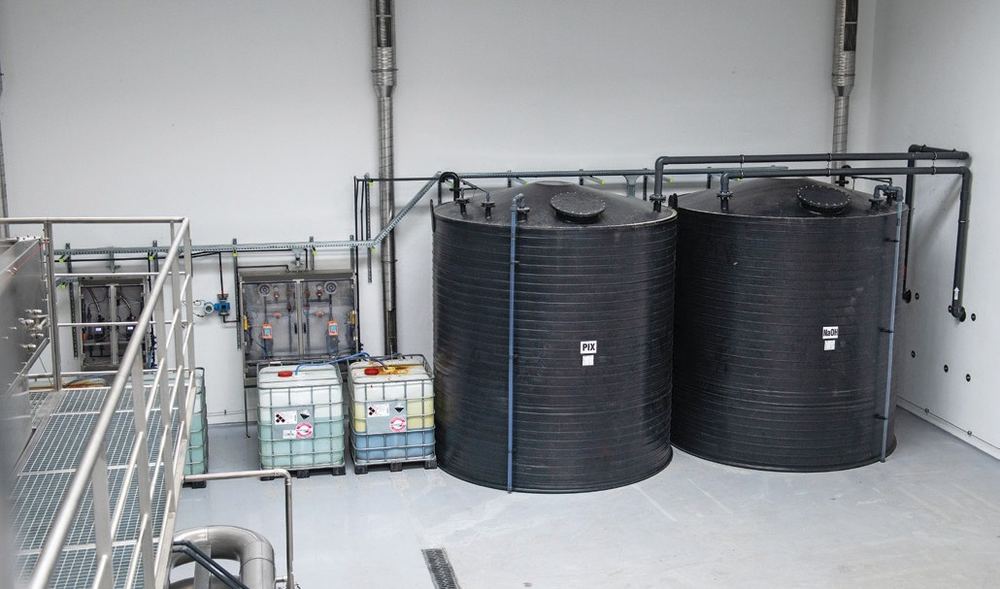
The saturation system produces a stable foam layer at the top of the unit, which a scraper removes. Bottom sludge is discharged through pneumatic valves.
Sludge treatment
Sludge dewatering press
Dewaters flotation sludge and excess biological sludge produced during wastewater treatment.
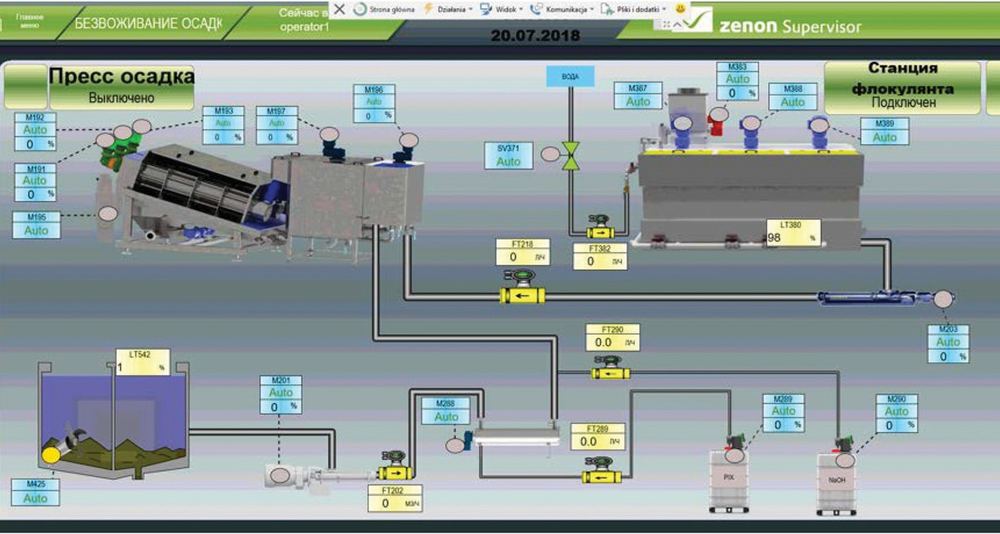
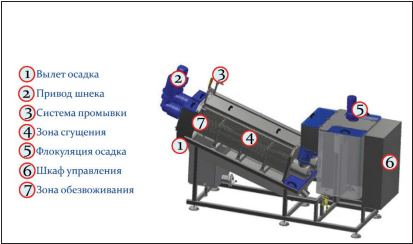
A screw pump feeds sludge from the storage tank into the press flocculator. Flocculant solution is also dosed there to improve how readily the sludge releases water. The conditioned sludge then enters the dewatering section of the press.
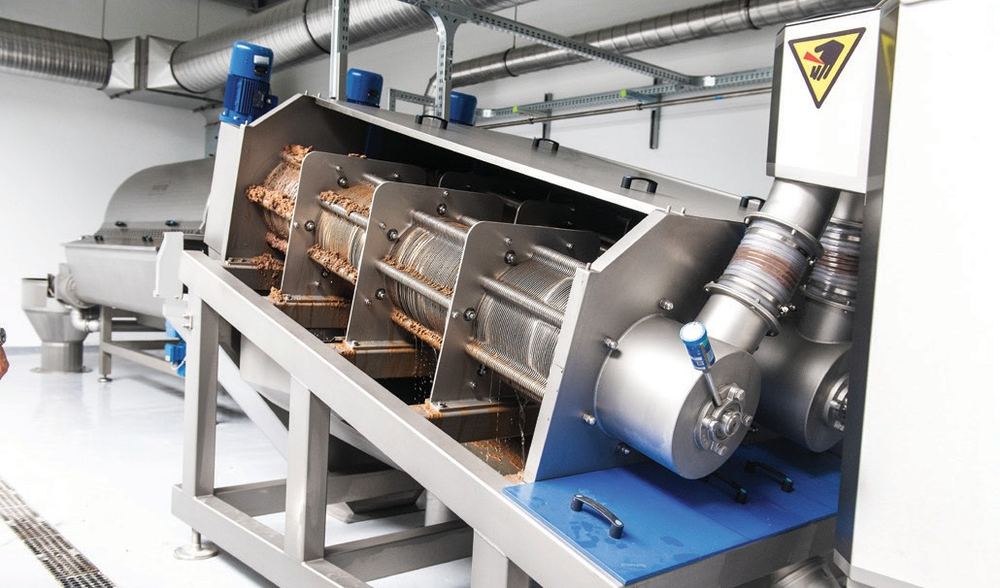
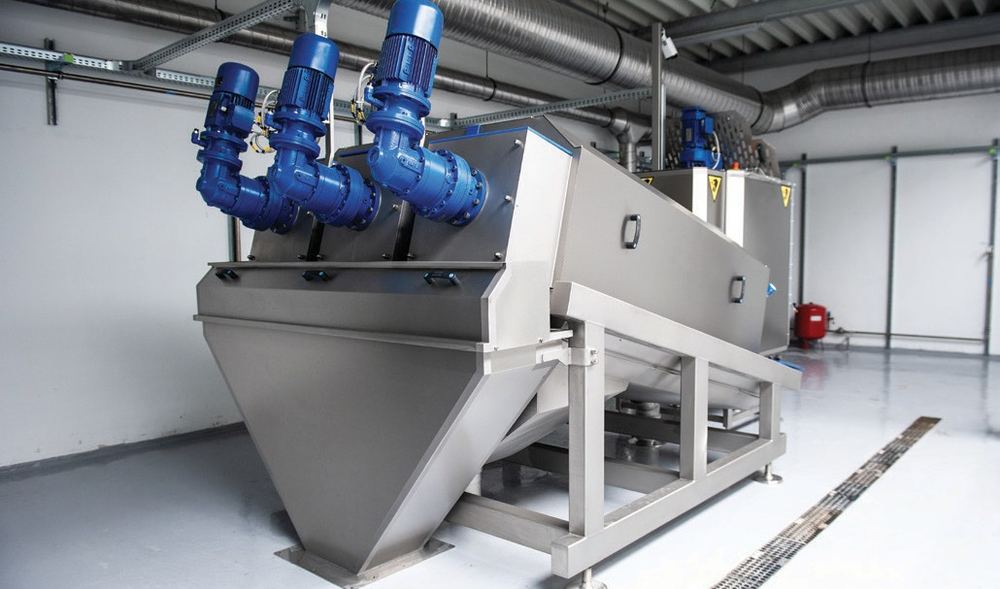
The dewatering section is made of moving and fixed rings pressed together. A screw turns slowly inside them and squeezes water out through the gaps between the rings. An adjustable pressure plate is installed where the dewatered sludge leaves the press.
Highest treatment efficiency
Biological treatment
After mechanical and physical-chemical treatment, wastewater goes to biological treatment. Biological oxidation and breakdown remove dissolved contaminants.
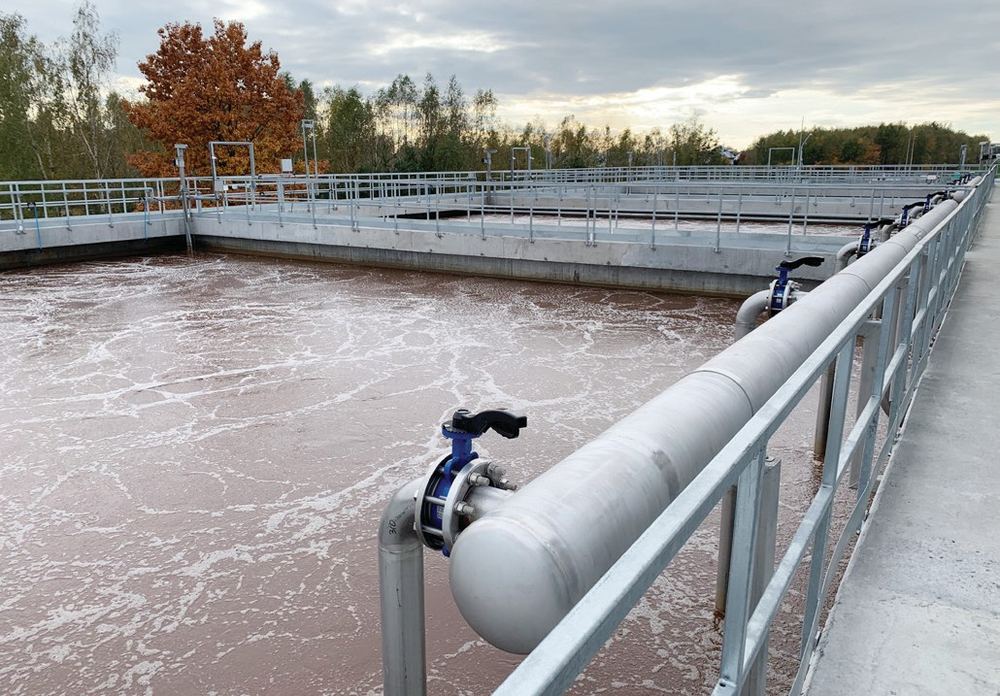
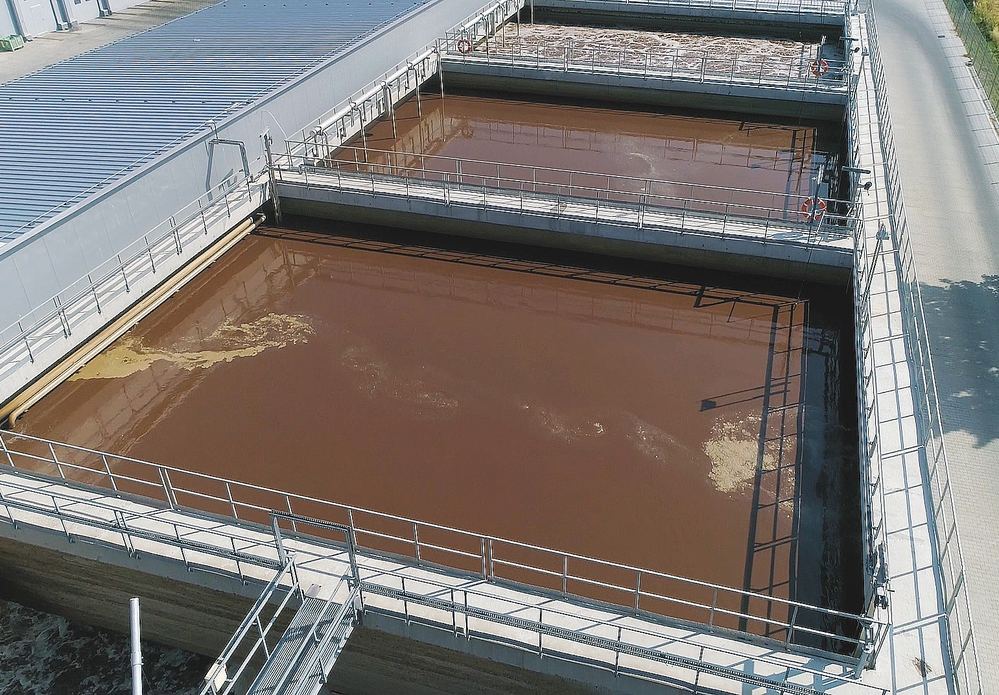
Biological treatment combines an anaerobic chamber, an aerobic chamber and a membrane filtration chamber.
Membrane bioreactor
Biological treatment and membrane sludge separation are one process. The mixed liquor from the aeration tank is separated by gravity-fed membrane modules. The membrane pore size is 0.2 μm, which removes virtually all suspended solids and microorganisms and meets discharge limits for fishery water bodies.
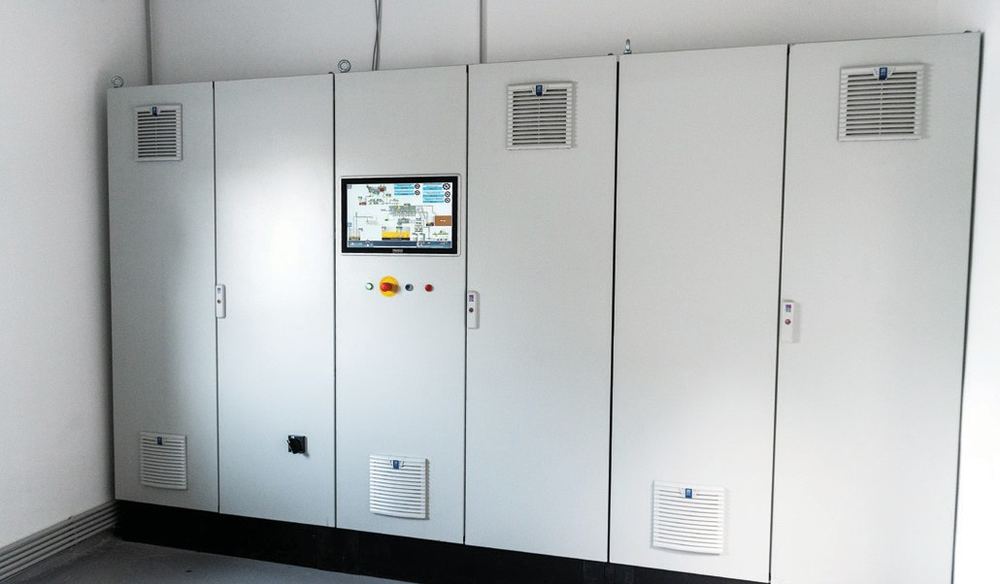
All recycle flows in the biological chambers are controlled automatically by variable-frequency drives and sensors.
Automatic control system
The treatment plant can run in semi-automatic or manual mode. The control system consists of a modular control cabinet with a built-in monitor, SCADA software, and an operator workstation on a personal computer.
Downloads:
Contacts:
Phone: +7 (495) 974-56-52
Phone: +7 (903) 974-56-52
Email: dpl2011@mail.ru